

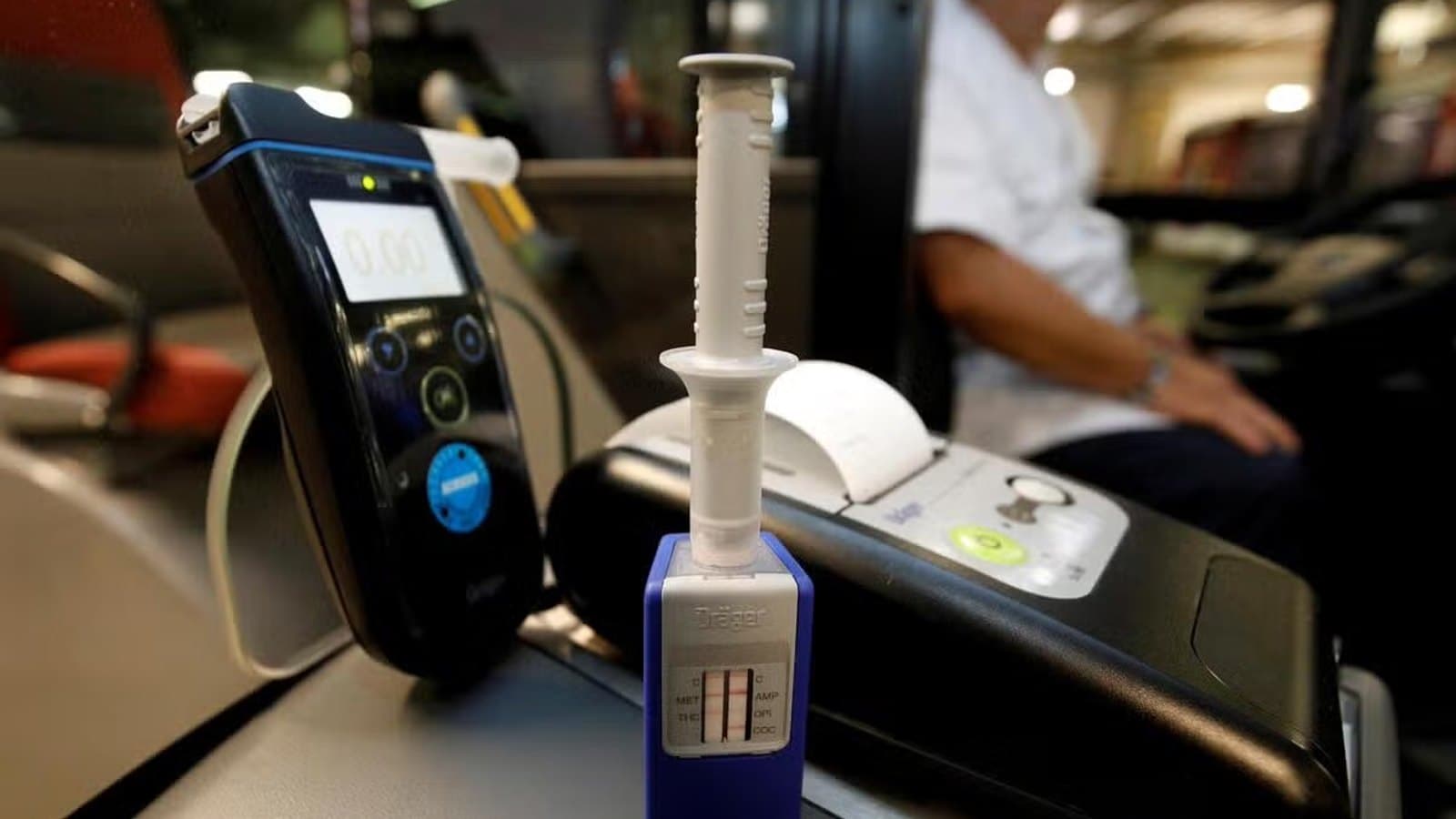
The Compagnie des Autobus de Monaco, the principality's public bus operator, has introduced random drug testing for its drivers, with the first round of saliva tests carried out in July after a lengthy process of developing testing protocols, consulting staff representatives and securing regulatory approval. Twenty five drivers were tested before starting their shifts in that first session, and every result came back negative.
The policy follows the conviction earlier in 2026 of a CAM driver found to have been driving under the influence of cannabis, an episode in which an elderly passenger was seriously injured during an emergency braking manoeuvre. That case pushed the company to move beyond the existing legal standard, under which breathalyser and drug tests could only be carried out after an accident or when a driver showed clear signs of intoxication, toward a programme built around prevention instead.
Under the new system, tests are carried out at random times and locations and screen for cannabis, cocaine, amphetamines, methamphetamines and opioids, with CBD excluded from the panel. Results come back within minutes, a positive result is confirmed through laboratory analysis, and a driver who refuses a test is treated as having tested positive. Cases involving prescribed medication are reviewed individually alongside occupational health specialists rather than treated as automatic violations.
CAM has purchased 200 tests in total, to be administered on a rolling basis through mid-2027, and a confirmed positive result can lead to disciplinary measures including termination. The programme brings Monaco's approach closer to the more extensive random testing already used in neighbouring France, treating driver sobriety as something to be checked routinely rather than only after something has already gone wrong.