

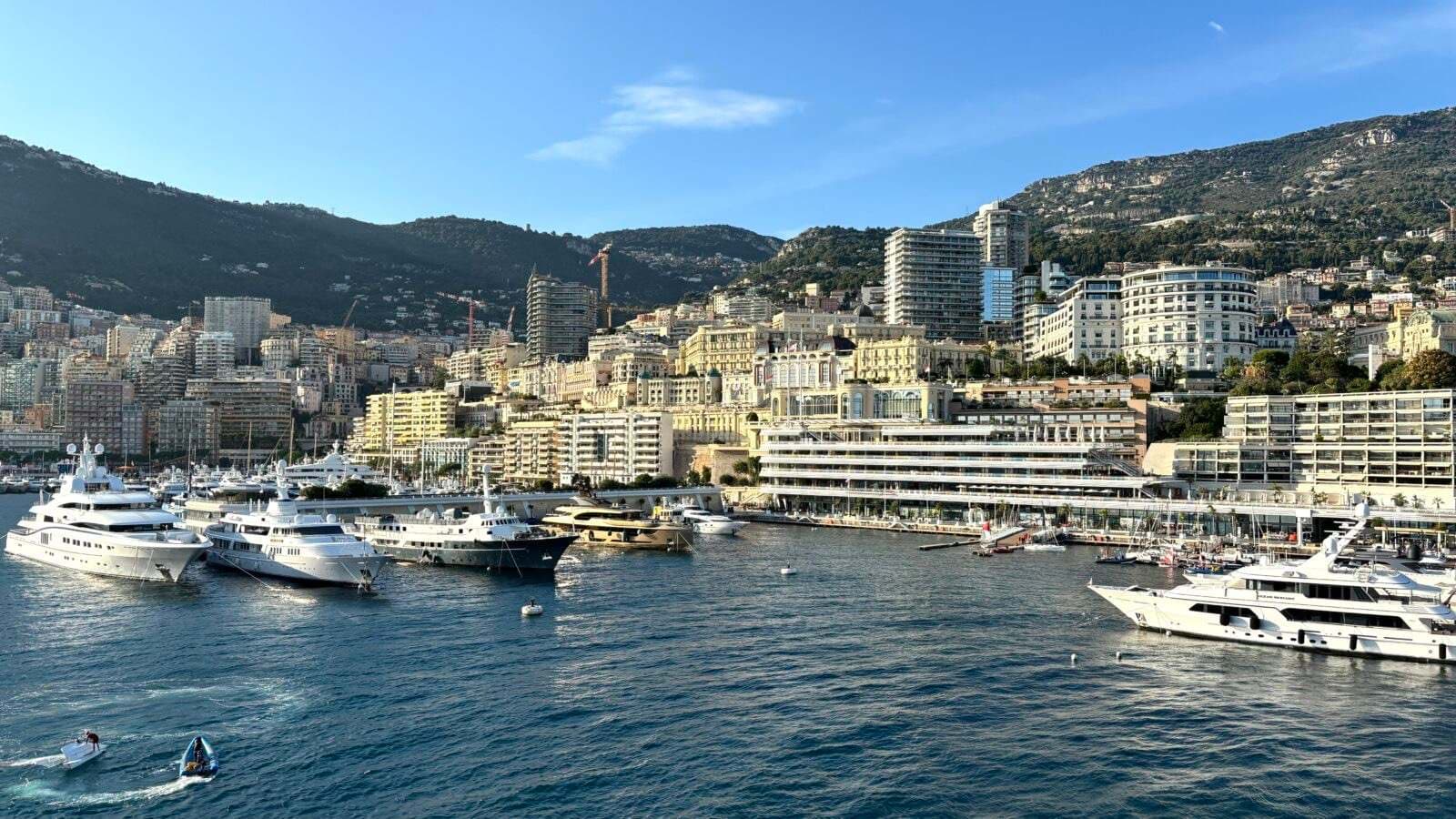
Monaco's economy generated 10.279 billion euros in gross domestic product in 2024, crossing the 10 billion euro threshold for the first time and marking the principality's fourth consecutive year of economic expansion. The figure represents 11.1 percent nominal growth year on year, or 8.8 percent once inflation is stripped out, alongside the largest resident population Monaco has ever recorded.
The scale of the shift becomes clearer over a slightly longer window. Monaco's GDP sat just under 6 billion euros in 2020, meaning the principality has grown its economic output by close to 70 percent in nominal terms in only four years, a pace that goes well beyond a simple recovery from the disruption of the pandemic years.
That framing matters because Monaco's own statistics office is explicit that this is no longer a recovery story. Growth is now attributed to rising productivity, sustained investment, demographic expansion and continued diversification away from any single dominant sector. Two sectors alone, scientific and technical activities combined with administrative and support services, and financial and insurance activities, each account for roughly 17 percent of GDP, together making up a third of the principality's entire economic output.
Forecasts published alongside the figures put Monaco's annual GDP growth rate at around 4.5 percent by the end of 2026, suggesting the expansion has further to run rather than plateauing at the new milestone. For a state with no income tax and a permanent population smaller than many single apartment buildings elsewhere in Europe, a 10 billion euro economy is itself the more remarkable number, record population or not.